
The Role of Earwax Removal in Hearing Loss and Hearing Health
Earwax might seem like a minor annoyance, but it’s one of the most
By: admin | November 5, 2025
Hearing loss affects millions of people around the world and can change the way we experience everyday life, from conversations to simple pleasures like music or nature sounds. Whether it develops slowly over time or happens suddenly, modern hearing aids provide more advanced and discreet options than ever before. With so many styles and features available, choosing the right one can seem challenging, but learning about your options is an important first step toward improving communication and overall quality of life.
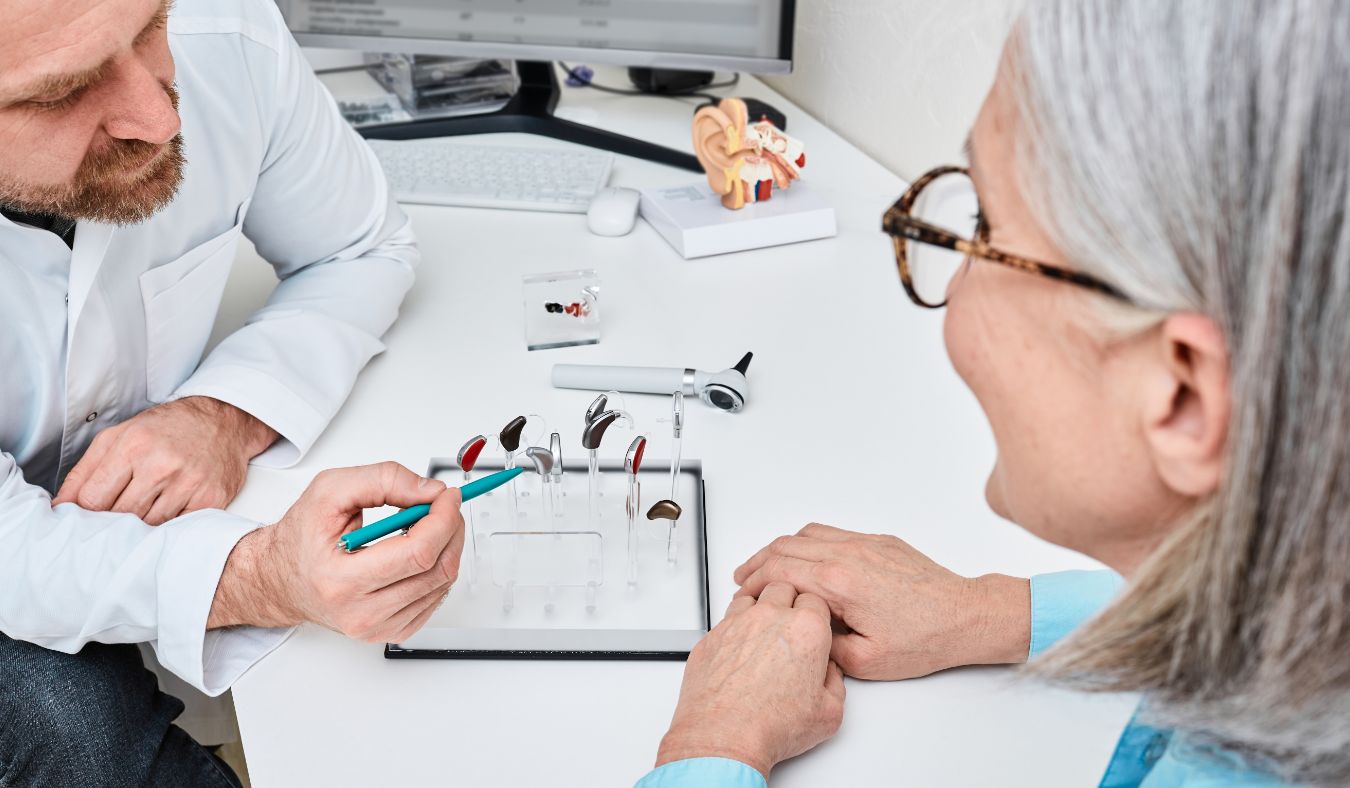
An audiologist explains the main types of hearing aids and what makes each one different, so you can better understand which options might fit your needs. Devices range from nearly invisible models that sit inside the ear canal to more powerful styles worn behind the ear, each offering its own benefits and considerations. Working with an audiologist helps you determine which features and design choices best match your hearing needs, daily activities and personal comfort, making the decision process clearer and easier to manage.
Hearing loss occurs when there is a disruption in the process that carries sound from the outer ear to the brain. The ear functions as a series of connected parts that work together to process sound. Sound waves enter through the outer ear, travel down the ear canal and reach the eardrum, causing it to vibrate. These vibrations pass through three small bones in the middle ear, which amplify the sound and send it to the inner ear. Inside the inner ear, tiny hair cells turn these vibrations into electrical signals that travel along the auditory nerve to the brain, where they are interpreted as recognizable sounds.
If any part of this system is damaged or not functioning correctly, hearing loss can occur. Common causes include blockages in the ear canal, fluid in the middle ear, damage to the hair cells from aging or noise exposure or issues with the auditory nerve. The type and severity of hearing loss depend on where the problem is located, which is why an audiologist performs specific tests to identify the cause and determine the most effective treatment plan.
Hearing aids are devices designed to help people hear better by making sounds clearer and easier to understand. They are commonly used by individuals with hearing loss to improve communication in everyday situations, like conversations, work meetings or social events. Rather than restoring hearing completely, hearing aids work by amplifying sound so it is strong enough for the ear to detect, helping wearers stay connected to the world around them.
These devices operate by collecting sound through a microphone, processing it with digital technology and delivering the amplified sound into the ear through a tiny speaker. Modern hearing aids are designed to enhance speech while reducing background noise, which makes listening more comfortable and natural. They can be adjusted to match the wearers specific hearing needs, providing a more personalized experience. Hearing aids play an important role in improving quality of life for those with hearing difficulties by making daily interactions easier and more enjoyable.
Behind-the-ear hearing aids sit comfortably behind your ear with a plastic tube that connects to an earpiece inside your ear canal. The main body of the hearing aid houses all the electronic components, including the microphone, amplifier, battery and processing chip, while the tube carries the amplified sound directly into your ear. These hearing aids come in various sizes, from larger traditional models to sleek, modern designs that are barely noticeable when worn. The earpiece can either be a custom-molded earmold made specifically for your ear or a soft, flexible dome that comes in different sizes to ensure a comfortable fit.
BTE hearing aids work exceptionally well for people with mild-to-profound hearing loss. They’re particularly beneficial for individuals who have trouble with small buttons or controls, since BTE models typically offer larger, easier-to-use adjustment buttons and volume controls. People with active lifestyles often prefer these hearing aids because they’re more durable and less likely to get damaged by moisture or earwax buildup compared to devices that sit entirely inside the ear. They’re also an excellent choice for anyone who experiences frequent ear infections or has narrow ear canals that make other hearing aid styles uncomfortable or impractical.
The biggest advantages of BTE hearing aids include their amplification capabilities, longer battery life and ability to accommodate advanced features like Bluetooth connectivity, directional microphones and noise reduction technology. They’re also easier to handle during insertion and removal, making them ideal for people with limited dexterity. However, some individuals find that the tube can occasionally become clogged with moisture or debris, requiring regular cleaning and maintenance. The behind the ear placement might also interfere with wearing glasses or certain types of headphones, and some people feel self-conscious about their visibility, though modern BTE models are much more discreet than older versions. Wind noise can sometimes be more noticeable with BTE hearing aids since the microphone sits outside the ear’s natural protection.
In-the-ear hearing aids are custom-made devices that sit directly in the outer portion of your ear canal and fill most of your outer ear bowl. Unlike behind-the-ear models, these hearing aids are molded specifically to fit the unique shape of your ear, creating a snug, comfortable fit that stays secure throughout the day. You can see them when looking at someone from the side, but they’re much less noticeable than traditional hearing aids that hook over your ear.
These hearing aids work particularly well for people with mild-to-moderately-severe hearing loss. ITE hearing aids are especially beneficial for adults who have dexterity issues with their hands, since their size makes them easier to handle, insert and remove compared to tiny in-canal options. They’re also a good choice for people who wear glasses regularly, as there’s no interference with eyeglass arms and for those who are active or play sports since there’s nothing behind the ear to get knocked loose.
The main advantages of ITE hearing aids include their ability to house more advanced features like directional microphones, volume controls and wireless connectivity, plus their batteries typically last longer than smaller models due to their larger size. However, they do have some drawbacks to consider. They’re also more likely to pick up wind noise during outdoor activities, and the microphone placement can sometimes cause feedback or whistling sounds if not properly fitted. Additionally, earwax buildup can be more problematic with ITE models since they sit directly in the area where wax naturally accumulates.
In-the-canal hearing aids sit inside your ear canal. These hearing aids are molded specifically to match the unique shape of your ear canal, making them an option that balances discreteness with functionality. ITC hearing aids are small enough to be inconspicuous when you’re wearing them, but they’re still have useful features like volume controls and program buttons that you can easily access. They work well for people with mild-to-moderate hearing loss who want something less visible than behind-the-ear models but still want the convenience of manual controls.
The main advantages of ITC hearing aids include their comfortable fit, natural sound quality since they sit closer to your eardrum and reduced wind noise compared to behind-the-ear styles. They’re also less likely to fall out during physical activities and don’t interfere with wearing glasses or masks. However, there are some drawbacks to consider; their smaller size means shorter battery life, and they can be more prone to earwax and moisture damage since they sit inside your ear canal. People with severe hearing loss might not get enough amplification from ITC models, and those with dexterity issues may find the small controls challenging to operate. Your audiologist can help determine if ITC hearing aids match your hearing loss level, lifestyle needs and physical capabilities.
Invisible-in-canal (IIC) hearing aids are one of the smallest hearing aid options available, designed to fit deep inside the ear canal. Their placement makes them almost completely hidden when worn, which is appealing to people who want a discreet solution. Despite their size, these devices can still provide clear sound for individuals with mild-to-moderate hearing loss. Because they sit close to the eardrum, they deliver sound in a way that feels natural, with less chance of wind noise compared to larger hearing aids.
While IIC hearing aids offer a nearly invisible look, their size comes with certain considerations. They have limited space for features like advanced noise reduction or wireless connectivity, and their tiny batteries need more frequent replacement. They may not be the best choice for people with severe hearing loss or those who have very small or unusually shaped ear canals. However, for someone who prioritizes discretion and prefers a hearing aid that is barely noticeable, IIC models provide an effective and comfortable option.
Completely-in-canal (CIC) hearing aids are designed to fit deep inside the ear canal, making them one of the most discreet options available. Their small size allows them to stay out of sight, which is appealing to people who prefer a more natural look. Despite their compact design, CIC hearing aids can provide effective amplification for individuals with mild-to-moderate hearing loss. Because they sit closer to the eardrum, they often deliver a more natural sound quality compared to larger styles.
While CIC hearing aids offer cosmetic advantages, they do have some limitations to consider. Their small size leaves less room for advanced features like wireless connectivity or long-lasting batteries, which means they may require more frequent maintenance. They can also be more challenging to handle, especially for those with limited dexterity. However, for wearers who value discretion and a comfortable fit, CIC hearing aids remain a popular choice for improving hearing without drawing attention.
Finding the right fit for your hearing aids is just as important as choosing the right technology. A proper fit ensures that the device feels comfortable in your ear and stays secure throughout the day. If a hearing aid is too loose, it can cause feedback or fall out during daily activities. On the other hand, a fit that is too tight may lead to discomfort or irritation. Working with an audiologist to achieve the right fit can make a big difference in both comfort and performance.
A good fit also impacts how well you hear in different environments. When a hearing aid sits correctly in your ear, it creates a proper seal that helps deliver clear sound and reduces unwanted background noise. Many devices can be customized with different tip sizes or molds to match your ear shape. Taking the time to get this right ensures that your hearing aids feel natural and work effectively, making it easier to focus on conversations and stay connected throughout your day.
Selecting the right hearing aid style is not a decision to be taken lightly. It requires careful thought and consideration, taking into account your unique hearing needs, lifestyle preferences and comfort.
When considering different styles, it’s important to think about their features and how they align with your daily life. For example, if you lead an active lifestyle or spend a lot of time on the phone, a model with advanced features like directional microphones or telecoils might be beneficial. On the other hand, if discretion is crucial for you, smaller models like ITC may be right for you.
Choosing the right hearing aid style involves more than just picking what looks good or feels comfortable. Each style works differently and is better suited for specific levels of hearing loss, lifestyle needs and personal preferences. An audiologist can evaluate your hearing test results and explain which options will give you the best results. Without professional guidance, it’s easy to choose a device that may not fully meet your needs or provide the right level of amplification.
An audiologist also considers details you might not think about on your own, like ease of handling, ear shape and how much technology you want in your device. They can walk you through the benefits and limitations of each style, making sure you understand what will work best for your daily activities. This personalized approach to hearing aids helps you avoid common mistakes and ensures your investment in hearing aids truly improves your ability to hear and communicate.
Exploring different hearing aid options can feel complicated, but learning about the features and benefits of each style can make the process more manageable. There is no single solution that works for everyone. Factors like your level of hearing loss, daily routine and personal comfort will play an important role in determining which option is the most suitable for you.
At Holden Audiology Center, we’re here to help you every step of the way on your path towards improved auditory health. Our team of audiologists are ready to provide personalized guidance tailored to your specific needs. If you want to learn more about the different hearing aid styles or have any questions, call us at our Woburn, MA hearing clinic at (781) 347-6227.
Tags: behind-the-ear hearing aids, benefits of hearing aids, hearing aid styles

Earwax might seem like a minor annoyance, but it’s one of the most
By: admin | December 21, 2025
Hearing loss affects millions of people around the world and can change
By: admin | November 5, 2025