
Can Hearing Loss Be Reversed? When It’s Possible and When It’s Not
Can you reverse hearing loss? The question itself tells you a lot about

By: admin | December 21, 2025
Earwax might seem like a minor annoyance, but it’s one of the most common causes of temporary hearing loss that people don’t think about until it becomes a problem.
Your ears naturally produce wax to protect the ear canal from dust, bacteria and other particles, but sometimes that wax builds up and blocks sound from reaching your eardrum. When this happens, you might notice that conversations sound muffled, you’re turning up the volume on your devices more than usual or you feel like there’s pressure in your ear.
Addressing earwax buildup is straightforward, and keeping your ears clear means you can hear clearly without dealing with the discomfort or communication challenges that come with blocked ear canals.
Earwax, also known as cerumen, is made by glands in your ear canal. This waxy substance traps dust, dirt and small particles, preventing them from reaching deeper into your ear.
Earwax also keeps the skin inside your ear from drying out and protects against germs. Most of the time, your ears clean themselves naturally as old wax moves out when you chew or talk.
Earwax serves as a natural shield, blocking dust, dirt and germs from reaching sensitive areas deeper inside your ear. This sticky layer also helps keep the skin in your ear canal from drying out or becoming irritated. While earwax offers protection against infection and helps keep your ears clean, too much can lead to blockage or hearing trouble.
Earwax acts as a barrier that stops dust and germs from moving deeper into your ear canal. It traps tiny particles and bacteria before they can cause problems, and it also keeps the delicate skin inside your ear from becoming dry or irritated. Healthy earwax slowly moves outward on its own, carrying trapped debris with it.
Some of the ways earwax helps include:
Excess earwax can build up for several reasons. Some people naturally produce more wax than others, and the texture of the wax itself can vary from person to person. Thicker or stickier wax tends to stay in the ear canal longer, which increases the chance of buildup.
Frequent use of hearing aids or earplugs can also lead to wax collecting in the canal. These devices sit in the outer part of the ear and can block the gentle, natural movement of wax as it works its way outward. Over time, the wax has fewer ways to exit, so it starts to pack together.
Cleaning your ears with cotton swabs or other objects can make the problem worse. Instead of removing wax, these tools often push it deeper into the canal, where it becomes harder and more compact.
This trapped wax can cause fullness, reduced hearing or discomfort, and it prevents your ears from cleaning themselves the way they are designed to.
Age also plays a role. As you get older, earwax often becomes drier and more brittle. It does not move outward as easily, which means it can collect more quickly. Certain medical conditions or medications can also affect wax production, making buildup even more likely.
A buildup of earwax can sneak up on you, especially since it often develops slowly. Many people do not realize something is wrong until everyday sounds start to feel muffled or the ear begins to feel different than usual. Noticing these early changes can help you address the issue before it becomes uncomfortable or affects your hearing more noticeably.
Some common signs of excess earwax include:
When earwax builds up, it can block the path that sound needs to travel to reach your eardrum. This can make voices seem softer, create a dull or muffled quality, or cause you to feel like your ear is plugged.
You may notice that conversations take more effort or that you are asking people to repeat themselves more often.
A heavy buildup can even interfere with hearing aids by blocking sound or causing extra feedback. These changes can be surprising because they often happen slowly. Most hearing problems caused by excess wax are treatable, and clearing the blockage often brings immediate improvement.
Normal earwax is usually soft, light yellow to orange and does not cause discomfort. It typically moves out of your ear on its own.
Problematic earwax often looks darker, may be hard or dry, and can build up enough to block the ear canal. If you notice fullness, itchiness or trouble hearing clearly, these may be signs that the wax is causing issues.
Being aware of changes in how your ears feel or how well you hear can help you spot when earwax has become a problem. Regular wax that does not bother you is usually nothing to worry about.
Certain people are more likely to experience excess earwax. If you use hearing aids or earplugs often, have narrow or hairy ear canals, or are older, you may notice more buildup. People with skin conditions like eczema may also see more wax.
Extra wax offers added protection from dust and germs and helps keep the skin in your ears from drying out. However, there is a higher chance of blocked ears, which may lead to trouble hearing or discomfort and sometimes requires professional removal. Knowing these factors can help you stay alert to changes in your ears and manage your hearing health more effectively.
Your daily habits can affect how much earwax your ears produce. Some actions that may increase buildup include:
Letting your ears handle most of the cleaning on their own and wiping only the outer part with a soft cloth when needed can help prevent blockages.
Removing earwax at home may seem simple, but it can create more problems than it solves. Cotton swabs, hairpins and other household items often push wax deeper into the ear instead of taking it out, which can lead to painful blockages that are much harder to remove. These objects can also scratch the sensitive skin in the ear canal or damage the eardrum, which may cause bleeding, infection or sudden changes in hearing.
Even over the counter drops can be misused if you are not sure what is actually causing your symptoms. Some people think they have excess wax when the problem is irritation, swelling or another underlying issue that needs professional care.
If you have tried safe home methods but still notice blocked ears, pain or trouble hearing, it is a good idea to seek help from an audiologist.
Other signs that may mean you need professional wax removal include ongoing ringing in your ears, frequent ear infections or if you wear hearing aids and notice they are not working as well.
These issues can sometimes be caused by excess wax that needs special care to remove safely.
Untreated earwax blockage can lead to more than just hearing trouble. You may start to feel pain, pressure or even dizziness as the wax continues to build up. In some cases, untreated blockages can also cause repeated ear infections.
To avoid these problems, pay attention to changes in your hearing or any discomfort in your ears. Avoid using cotton swabs or sharp objects inside your ears.
If you notice signs of a blockage that do not go away on their own, safe removal by an audiologist is often the best way to protect your ear health.
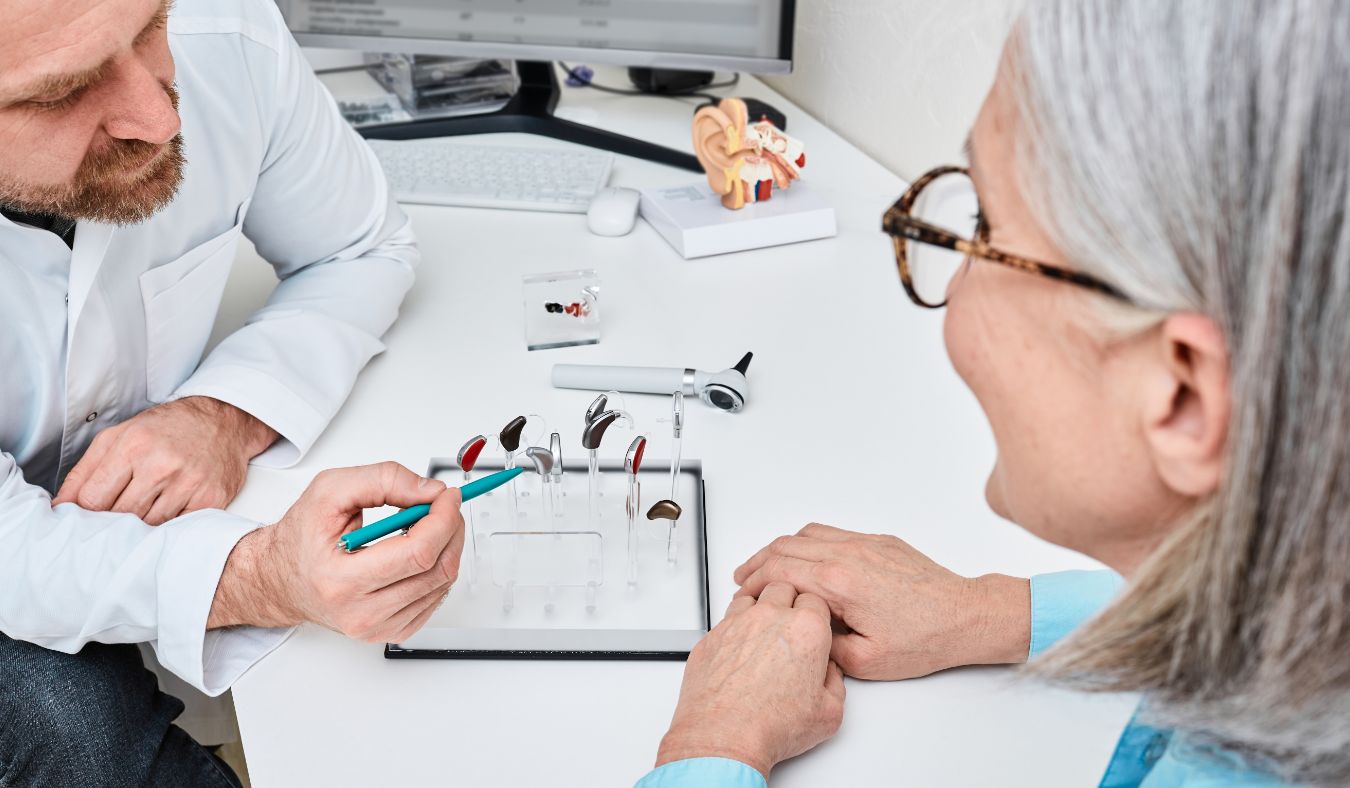
When earwax becomes excessive or causes hearing issues, an audiologist can safely remove it using specialized tools and techniques.
They may use gentle irrigation, suction or small instruments designed specifically for the ear canal, which reduces the risk of injury compared to home methods. The audiologist carefully examines the ear before, during and after the procedure to ensure all excess wax is removed and the ear remains healthy.
This approach not only clears blockages but also helps prevent complications, protects your hearing and ensures your ears are comfortable and functioning properly.
Taking care of earwax is an important part of maintaining clear hearing and overall ear health. When you notice subtle changes like muffled sounds, ringing or a feeling of fullness, addressing the buildup promptly can prevent discomfort and avoid more serious issues.
Regular attention to earwax helps you get the most out of your hearing and keeps daily conversations and activities easier to follow.
If you suspect earwax is affecting your hearing, a professional evaluation is the safest way to restore clarity. The team at Holden Audiology Center in Woburn, MA can remove excess wax safely and efficiently, helping you hear comfortably again. You can reach our office at (781) 347-6227 to schedule an appointment or learn more about keeping your ears clear and healthy.

Can you reverse hearing loss? The question itself tells you a lot about
By: admin | February 20, 2026
Earwax might seem like a minor annoyance, but it’s one of the most
By: admin | December 21, 2025
Hearing loss affects millions of people around the world and can change
By: admin | November 5, 2025